
Homeowner problem guide
Water backing up in shower and toilet
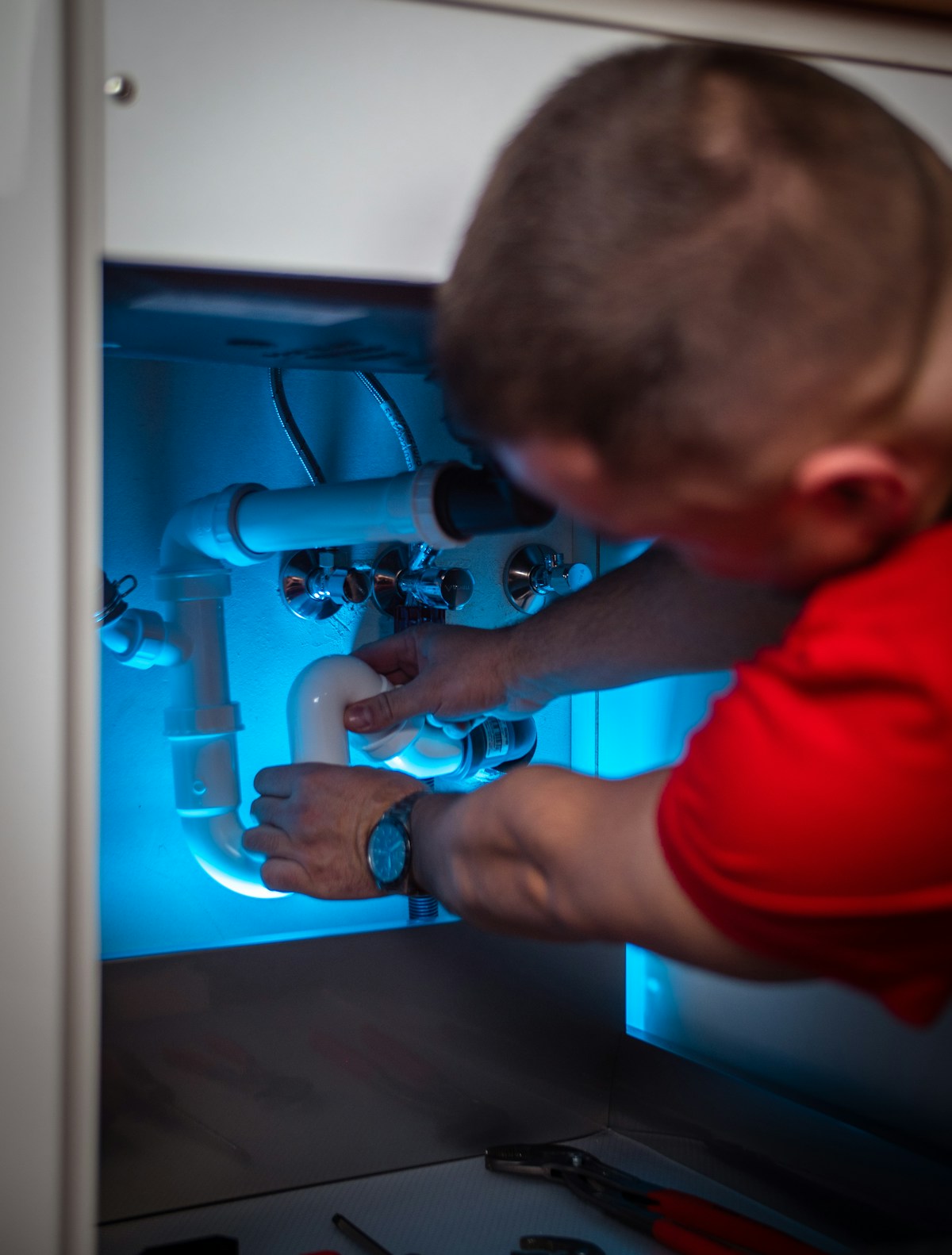
Water backing up in a shower and toilet often means a shared drain or main sewer line is restricted. Stop using water and request sewer or drain help quickly.
Homeowner problem guide
Water backing up in a shower and toilet often means a shared drain or main sewer line is restricted. Stop using water and request sewer or drain help quickly.
Quick answer
What it means
When toilet flushing sends water into a shower or tub, the blockage is often downstream from both fixtures. That can move wastewater into living areas if water use continues.
Stop flushing and shower use.
Keep people away from dirty water.
Check if an outdoor cleanout is overflowing.
Request main sewer line guidance.
Mistakes to avoid
Urgency
Decision support
A toilet and shower reacting together often means the blockage is downstream from both fixtures, which makes continued water use risky.
Provider diagnosis
Safety boundaries
Clear phone request process
Need help with main sewer line clog in Dallas? A short call helps explain the problem, location, and urgency without a long form or unclear next step.
Explain the affected fixture, active water issue, and urgency.
Provide your city or ZIP so the right local service can be discussed.
Speak by phone about the plumbing service and the next action.
Call now to discuss your plumbing problem and get the next service step started.
This page is written for homeowners and property managers in Dallas-Fort Worth. Plumbing Hands helps homeowners request emergency plumbing service across Dallas-Fort Worth. Availability, pricing, credentials, and arrival details should be confirmed directly with the matched provider.
It can be, especially when the water is dirty or has a sewer odor. Avoid contact and stop water use until the cause is checked.
A plunger may help an isolated toilet clog, but stop if water rises in the shower, tub, or another fixture because that pattern can indicate a deeper restriction.
Water backing up in a shower and toilet often means a shared drain or main sewer line is restricted. Stop using water and request sewer or drain help quickly.
Stop the water source if safe, avoid using affected fixtures, protect people from contaminated water, and request help.
Use the closest working shutoff valve, keep water away from electrical areas, and request leak help quickly if water keeps spreading.
Treat it as urgent when more than one fixture backs up, wastewater appears, or the problem blocks essential use.
Multiple slow drains, sewer odor, toilet gurgling, dirty tub water, or outdoor cleanout overflow should be treated as urgent warning signs.
No usable toilet, no hot water for vulnerable occupants, or water near unsafe areas can justify urgent guidance.