
Emergency steps
Best Questions to Ask Before You Book an Emergency Plumber
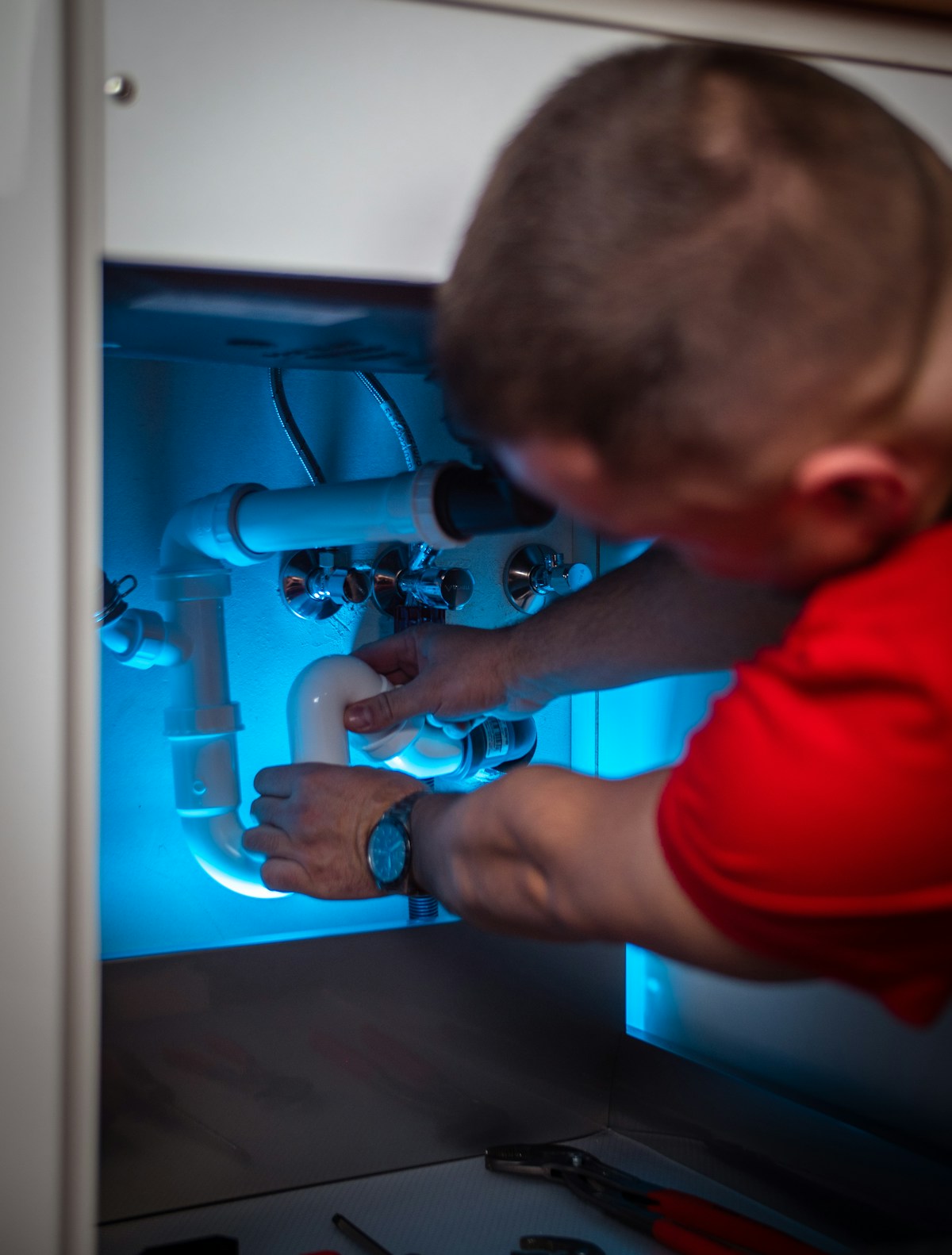
Before booking an emergency plumber, ask about dispatch fees, diagnosis, timing, equipment, approval steps, cleanup limits, and whether the provider handles your exact issue.
Emergency steps
Before booking an emergency plumber, ask about dispatch fees, diagnosis, timing, equipment, approval steps, cleanup limits, and whether the provider handles your exact issue.
Quick answer
Decision guide
Start by identifying whether the issue is isolated to one fixture or affects several drains. If the problem is spreading, includes dirty water, or risks property damage, treat it as urgent and request provider guidance.
Checklist
Use these questions to compare scope and safety before approving emergency work. They are designed to help homeowners get clear answers, not to pressure a booking.
Verification
Clear phone request process
Need help with main sewer line clog in Dallas? A short call helps explain the problem, location, and urgency without a long form or unclear next step.
Explain the affected fixture, active water issue, and urgency.
Provide your city or ZIP so the right local service can be discussed.
Speak by phone about the plumbing service and the next action.
Call now to discuss your plumbing problem and get the next service step started.
This page is written for homeowners and property managers in Dallas-Fort Worth. Plumbing Hands helps homeowners request emergency plumbing service across Dallas-Fort Worth. Availability, pricing, credentials, and arrival details should be confirmed directly with the matched provider.
Ask what is included before repair approval and what could change after diagnosis. That helps separate dispatch, diagnosis, repair, parts, access, and cleanup.
Fast help matters when water or wastewater is active, but you should still confirm availability, scope, pricing rules, and credentials directly before authorizing work.
Before booking an emergency plumber, ask about dispatch fees, diagnosis, timing, equipment, approval steps, cleanup limits, and whether the provider handles your exact issue.
Call when water damage, wastewater, essential fixture loss, or repeated backup symptoms are present.
Stop the water source if safe, avoid using affected fixtures, protect people from contaminated water, and request help.
Use the closest working shutoff valve, keep water away from electrical areas, and request leak help quickly if water keeps spreading.
Treat it as urgent when more than one fixture backs up, wastewater appears, or the problem blocks essential use.
Multiple slow drains, sewer odor, toilet gurgling, dirty tub water, or outdoor cleanout overflow should be treated as urgent warning signs.